Maryland wear and carry permit
Who can get one, what the class involves, how to apply to the State Police, and where a permit does not reach.
This is general information, not legal advice. The carry statutes were rewritten in 2023 and parts of them are still being litigated. Read the current law and the Maryland State Police Licensing Division pages, and ask a Maryland attorney about your own situation. Reviewed September 2026.
Maryland calls it a wear and carry permit, and you need one to wear, carry or transport a handgun in public, whether openly or concealed (Criminal Law Article § 4-203; Public Safety Article § 5-303). Carrying without one is a crime with a possible jail sentence, and the exceptions in § 4-203 are narrow: your home, your own business, and trips with an unloaded, cased handgun to places such as a range, a dealer or a repair shop.
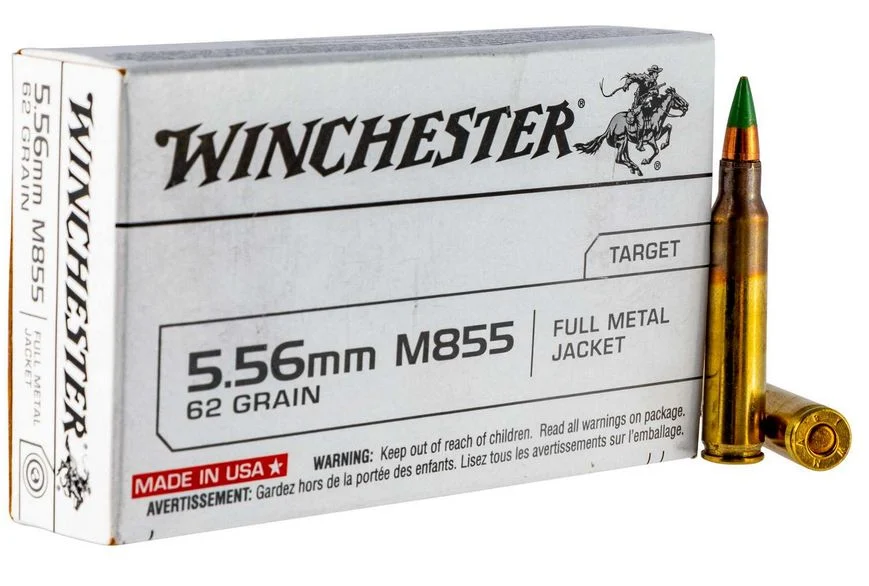
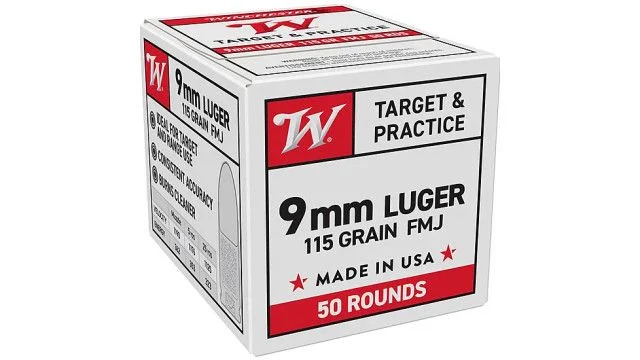
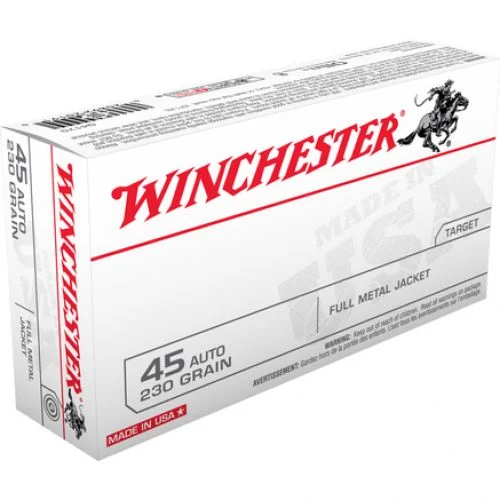
One thing to be plain about: this store does not sell handguns to Maryland buyers. This page is a guide. What we can ship is the practice ammunition and range gear that go with the class and the years after it.
What changed after Bruen
For decades Maryland issued permits only to applicants who showed a good and substantial reason, which in practice meant business owners carrying cash, security work or a documented threat. In June 2022 the Supreme Court struck down New York's similar rule in Bruen. Within weeks the Governor directed the State Police to stop applying the Maryland test, the Court of Special Appeals held it unconstitutional, and in 2023 the General Assembly deleted it from Public Safety Article § 5-306. Applications rose from a few thousand a year to many tens of thousands.
The same 2023 session tightened the other qualifications and passed Senate Bill 1, the Gun Safety Act, which limits where a permit holder may carry. Both took effect on October 1, 2023.
Who qualifies
Section 5-306 sets the conditions. In outline, an applicant must:
- be at least 21, with a provision for some members of the armed forces;
- not have a disqualifying conviction, and not be on supervised probation for certain offenses;
- not be addicted to or a habitual user of alcohol or a controlled dangerous substance;
- not have a disqualifying mental-health history or be subject to certain protective orders;
- not have shown, on investigation, a propensity for violence or instability that would make carrying a danger;
- have completed the required training.
The list above is a summary. The statute has more detail, and the 2023 amendments added several grounds. Read it in full before applying, because the fee is not refunded on a denial.
The 16-hour class
A first-time applicant needs at least 16 hours of instruction from a State Police qualified handgun instructor, completed within the two years before applying. A renewal needs 8 hours. The course covers state firearm law, home firearm safety, handgun mechanics and operation, and ends with a live-fire qualification in which you must show safe handling and a minimum score. The 2023 law added topics such as conflict de-escalation, secure storage and suicide prevention. Some applicants, including certain law enforcement officers and military members, are exempt from the training under the statute.
You will shoot a fair amount of ammunition in the class and should shoot far more afterward. Ammunition ships to a Maryland home address. Federal law requires a buyer to be 21 for handgun ammunition.
Applying to the State Police
- Where: the Maryland State Police Licensing Division takes applications online through its licensing portal.
- What you submit: the application, your training certificate, a LiveScan fingerprint receipt, a passport-style photo and the fee. The 2023 law raised the fees, so use the figure on the State Police site rather than an old forum post.
- How long: the statute gives the State Police a fixed period to act on a complete application. Check the Licensing Division page for the current processing time.
- If you are denied: the denial letter explains the review and appeal steps, which have deadlines.
Carry the permit whenever you carry the handgun and show it to a law enforcement officer who asks (Public Safety Article § 5-308). Carrying while under the influence of alcohol or drugs is prohibited (§ 5-314).
Where you cannot carry: SB 1 of 2023
Senate Bill 1 added Criminal Law Article § 4-111, which bars firearms, permit or not, in three groups of places:
- Areas for children or vulnerable individuals, such as preschools, private schools and health care facilities.
- Government or public infrastructure areas, such as government buildings, college campuses, polling places and utility facilities.
- Special purpose areas, such as stadiums, museums, amusement parks, racetracks, casinos and places licensed to serve alcohol or cannabis for use on site.
The bill also added § 6-411 on private property: no entry into someone's dwelling with a firearm without permission, and a consent or signage rule for other private buildings. Older laws still apply as well, including public school property (Criminal Law Article § 4-102), demonstrations (§ 4-208), state parks and forests under Department of Natural Resources rules, and federal property.
Check the current status. SB 1 was challenged in federal court as soon as it passed. A district court blocked enforcement of some provisions, including the private-building consent rule, while leaving most of the list in force, and the case went to the appeals court. We cannot promise this paragraph is current on the day you read it. The State Police post advisories when a ruling changes what is enforced, and that is the place to look before you carry.
Range gear we can ship